
FOSTAC Advance Training for Edible Oil Processing: Why Food Safety in the Edible Oil Industry Matters More Than Ever
The edible oil industry is one of the most significant segments of the food processing sector, supplying essential cooking oils to millions of households, restaurants, food manufacturers, and hospitality businesses every day. As consumer awareness around food quality and safety continues to grow, ensuring safe production, handling, storage, and distribution of edible oils has become a top priority for manufacturers and regulators alike.
Maintaining food safety in the edible oil industry requires skilled professionals who understand food safety principles, regulatory requirements, hygiene practices, and quality control systems. This is where FOSTAC Advance Training for Edible Oil Processing plays an important role. The programme equips food business professionals with the knowledge and practical skills required to ensure compliance with food safety standards while promoting safer edible oil production.
Understanding the Edible Oil Industry
The edible oil industry includes the processing, refining, packaging, storage, transportation, and distribution of oils intended for human consumption.
Common edible oils include:
- Mustard oil
- Groundnut oil
- Sunflower oil
- Soybean oil
- Rice bran oil
- Coconut oil
- Palm oil
- Sesame oil
- Cottonseed oil
- Blended edible oils
These products are consumed daily, making food safety an essential responsibility throughout the production chain.
Why Food Safety in the Edible Oil Industry is Critical
The quality of edible oil directly affects public health.
Poor manufacturing practices, contamination, improper storage, incorrect packaging, or inadequate quality control can compromise product safety and consumer confidence.
Implementing robust food safety in the edible oil industry helps businesses:
- Protect consumer health
- Prevent contamination
- Maintain consistent product quality
- Improve regulatory compliance
- Reduce product recalls
- Build customer trust
- Strengthen brand reputation
- Support export requirements
Food safety is not only a regulatory obligation but also a competitive advantage.
Common Food Safety Risks in Edible Oil Processing
Manufacturers must manage several potential risks throughout production.
Raw Material Contamination
Oilseeds may contain contaminants such as:
- Pesticide residues
- Foreign matter
- Dust
- Microbial contamination
- Moisture
Proper inspection and quality testing before processing help minimise these risks.
Processing Errors
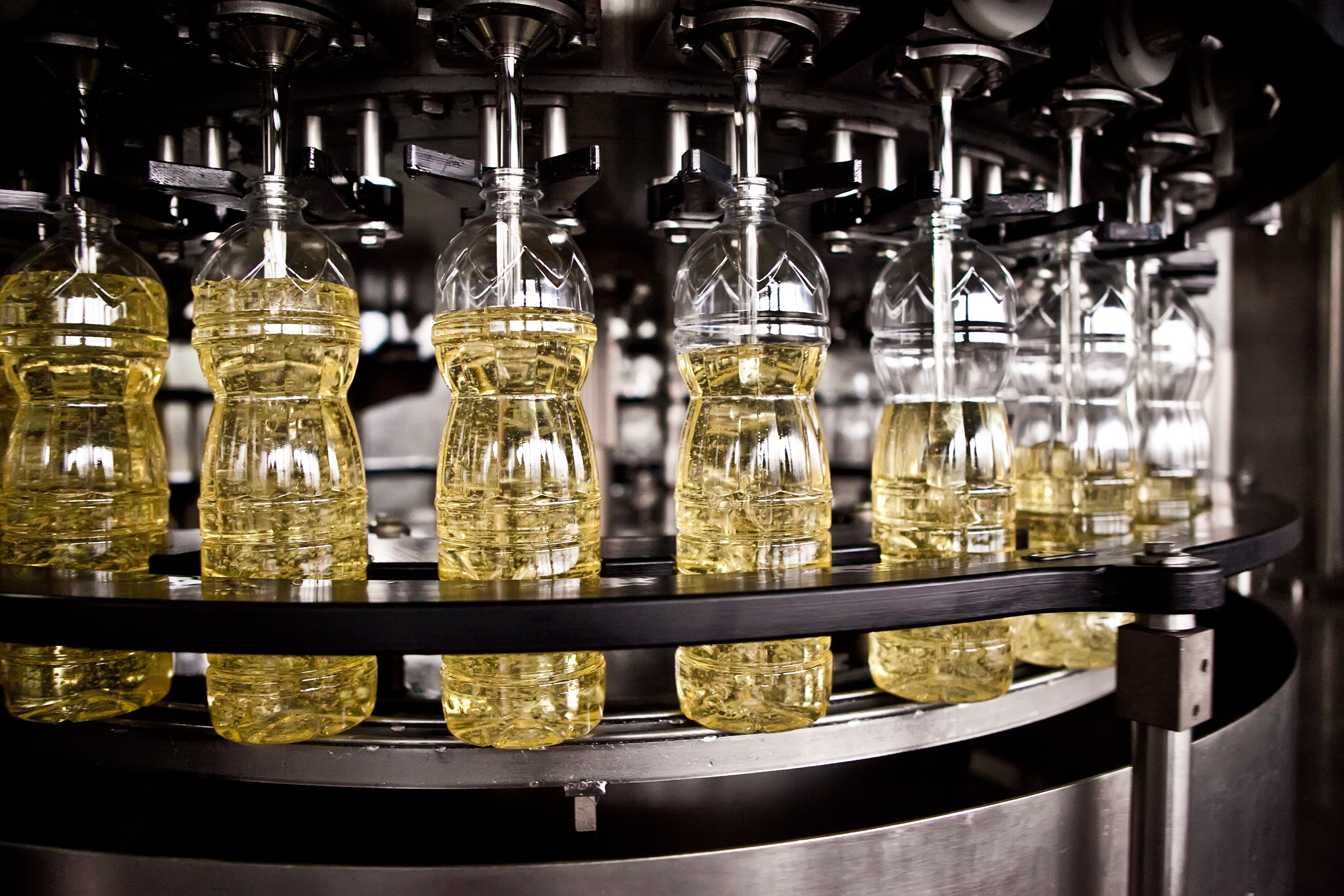
Incorrect refining temperatures, filtration issues, or equipment failures can affect oil quality and safety.
Regular monitoring and preventive maintenance are essential for consistent production.
Storage Conditions
Improper storage can lead to oxidation, rancidity, moisture contamination, and deterioration of oil quality.
Temperature control, hygienic storage, and appropriate containers help preserve product integrity.
Packaging and Distribution
Packaging materials must protect edible oils from light, oxygen, moisture, and contamination during transportation and storage.
Proper sealing and labelling further support food safety and traceability.
What is FOSTAC Advance Training for Edible Oil Processing?
FOSTAC Advance Training for Edible Oil Processing is a specialised food safety training programme designed to strengthen the knowledge and competencies of professionals working in the edible oil sector.
The programme focuses on industry-specific food safety practices while helping food businesses comply with regulatory requirements and improve operational standards.
It promotes a preventive approach to food safety by emphasising hazard identification, hygiene, quality assurance, documentation, and good manufacturing practices.
Objectives of the Training Programme
The programme aims to help professionals:
- Understand food safety regulations
- Strengthen hygiene practices
- Improve processing standards
- Identify food safety hazards
- Implement preventive controls
- Maintain product quality
- Enhance documentation and compliance
- Promote a food safety culture
These objectives contribute to safer manufacturing environments and higher consumer confidence.
Key Topics Covered
Although the curriculum may vary depending on the training provider, FOSTAC Advance Training for Edible Oil Processing generally covers several essential areas.
Food Safety Regulations
Participants learn about regulatory requirements governing edible oil manufacturing, processing, packaging, storage, and distribution.
Understanding compliance helps businesses operate responsibly while meeting legal obligations.
Good Manufacturing Practices (GMP)
Training focuses on hygienic production methods that reduce contamination risks.
Topics include:
- Personal hygiene
- Equipment sanitation
- Facility cleanliness
- Pest control
- Cleaning procedures
- Waste management
Maintaining GMP strengthens overall food safety performance.
Hazard Identification and Risk Control
Participants learn how to identify biological, chemical, and physical hazards that may occur during edible oil processing.
Risk assessment enables businesses to implement preventive measures before problems arise.
Quality Assurance
Maintaining consistent product quality requires systematic monitoring throughout production.
Training covers quality checks, process monitoring, record keeping, and corrective actions.
Safe Storage and Packaging
Participants understand the importance of proper storage conditions, packaging materials, transportation practices, and product traceability.
These practices help maintain product quality until it reaches consumers.
Benefits of FOSTAC Advance Training
Professional training provides valuable advantages for both employees and organisations.
Improved Food Safety Compliance
Trained professionals better understand regulatory expectations, helping organisations maintain compliance and reduce operational risks.
Skilled Workforce
Employees gain practical knowledge that improves manufacturing efficiency, hygiene, and product quality.
Better Consumer Confidence
Safe production practices strengthen public trust while enhancing brand reputation.
Reduced Operational Risks
Proper training helps minimise contamination, quality failures, product recalls, and regulatory non-compliance.
Stronger Food Safety Culture
Training encourages employees at every level to understand their responsibilities in maintaining safe food production practices.

Who Should Attend?
The programme is valuable for professionals involved in:
- Edible oil manufacturing
- Food processing
- Quality assurance
- Production management
- Food safety supervision
- Packaging operations
- Plant management
- Regulatory compliance
- Food business operations
It is also beneficial for food business operators seeking to strengthen food safety systems within their organisations.
Importance of Continuous Skill Development
The food industry continues to evolve with changing regulations, emerging technologies, and increasing consumer expectations.
Continuous learning helps professionals remain updated with:
- New food safety standards
- Industry best practices
- Quality management systems
- Modern processing technologies
- Regulatory developments
Regular training strengthens both individual competencies and organisational performance.
Role of FICSI in Food Safety Skill Development
The Food Industry Capacity & Skill Initiative (FICSI) plays a significant role in developing skilled professionals for India's food industry through industry-oriented training programmes and certification initiatives. By supporting workforce development across food processing, food safety, quality assurance, packaging, manufacturing, and compliance, FICSI helps organisations build competent teams capable of maintaining high operational and food safety standards.
Its programmes contribute to strengthening India's food ecosystem while supporting industry growth through practical, job-oriented skill development.
Conclusion
Maintaining food safety in the edible oil industry requires more than regulatory compliance, it demands skilled professionals, effective quality systems, and continuous improvement throughout the production process. FOSTAC Advance Training for Edible Oil Processing equips industry professionals with the knowledge and practical skills needed to implement safe manufacturing practices, manage risks, and ensure consistent product quality. Through its commitment to industry-focused skill development, FICSI continues to support the growth of a safer, more efficient, and globally competitive food processing sector in India.








0 Comments